



Heat in Tomball puts a steady load on cooling systems. Units run long hours with little rest. Wear builds in small ways. An AC tune-up in Tomball, TX, helps keep the system in balance before faults grow.
You may notice small shifts first. Air feels weaker. Some rooms cool more slowly. The unit runs longer to hit the same set point. These signs often trace back to airflow, charge, or electrical parts. A tune-up brings those back in line.
Filters and Airflow Set the Base
Airflow drives cooling. A clogged filter cuts airflow and raises static pressure. The blower works harder. Supply air drops at the vents.
A clean filter restores flow. The technician checks the filter size and fit. Duct returns are checked for blockages. Good airflow supports an even temperature split across rooms.
Coils and Charge Control Heat Transfer
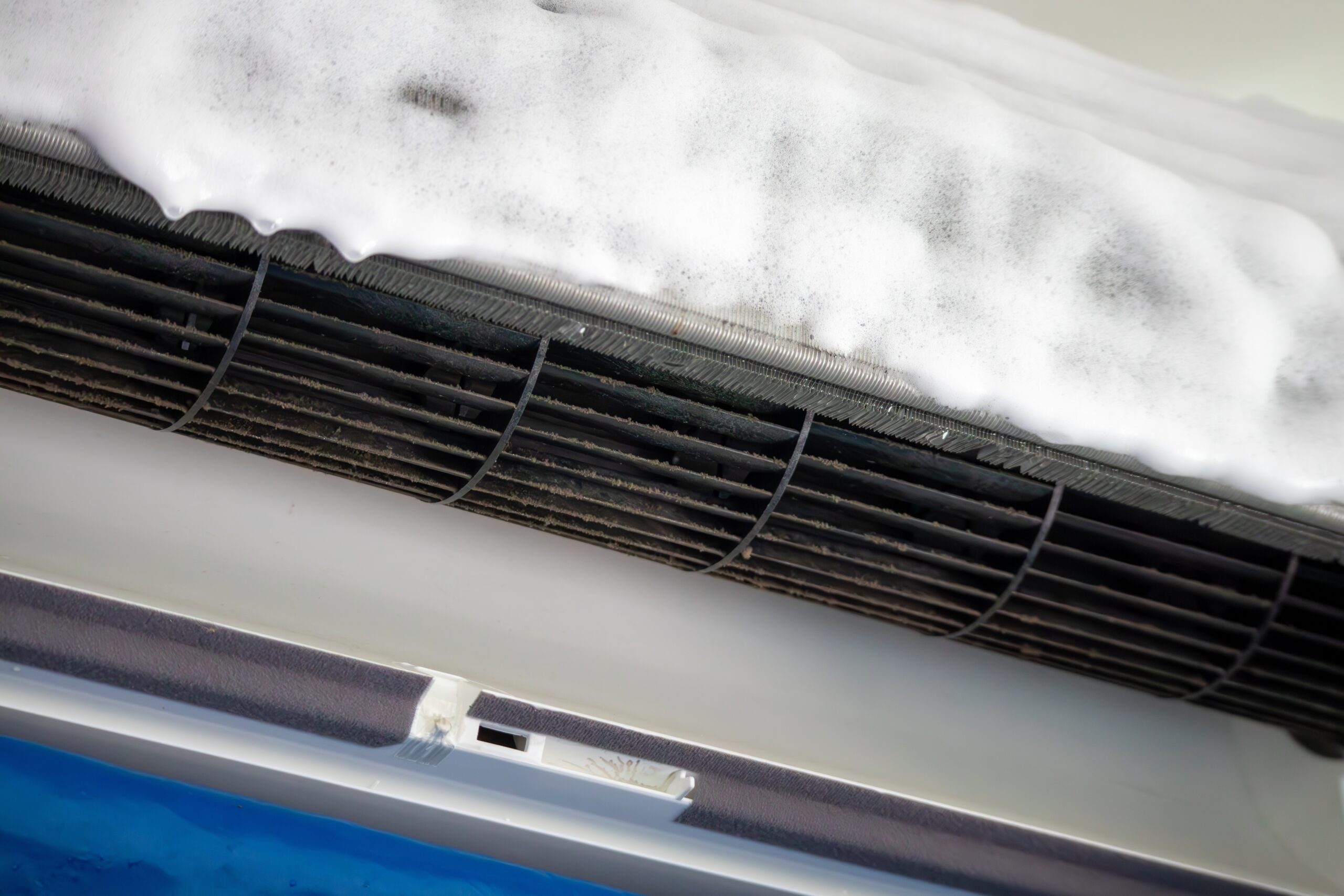
The evaporator coil absorbs heat. The condenser coil rejects heat outside. Dirt on either coil slows heat transfer. The system runs longer and cools less, increasing your energy bills and the chances of a system failure.
Refrigerant charge must match design. Low charge reduces capacity and can ice the coil. High charge raises head pressure. During an AC maintenance in Humble, TX, the technician checks superheat or subcooling to confirm the charge. Clean coils and correct charge keep output steady.
Electrical Parts Need Close Checks
Capacitors, contactors, and relays start and run the system. Heat and cycles wear these parts. A weak capacitor leads to hard starts. A pitted contactor can stop power to the compressor.
The tech checks voltage and amperage draw. Connections are tightened. Worn parts are flagged before failure. This step helps avoid sudden stops during peak heat.
Drain Line and Moisture Path
Cooling pulls moisture from the air. That water drains through the condensate line. A clog backs water into the pan and can trip a float switch.
The line is cleared during service. The pan is checked for rust or cracks. A clear path keeps moisture moving out and protects the unit.
When a Tune-Up Is Not Enough
Some systems reach a point where service does not hold. Age, frequent faults, and low efficiency point to a change.
In those cases, some owners look at ductless AC installation in Tomball, TX, for targeted cooling without ductwork. Others keep a set service plan, like many who follow AC maintenance to manage wear across long seasons.
A tune-up keeps airflow, heat transfer, and electrical parts within range. Small faults are found early. That limits wear and keeps the cooling stable.
A simple plan works. Change filters on schedule. Book a yearly check before peak heat. Watch for changes in airflow and run time. These steps keep the system ready for long summer runs.
“For service support, contact Crossway Mechanical at 832-702-7384. We handle work for homes and commercial spaces with a focus on steady operation.”
FAQs
1. How much does an AC tune-up in Tomball, TX, usually cost?
Most tune-ups fall between 80 and 150 dollars. Price depends on system size and condition. If parts need replacement, the cost will increase. A basic visit includes filter check, coil cleaning, and a full system test.
2. What problems does an AC tune-up in Tomball, TX, help prevent?
A tune-up helps catch low refrigerant, weak capacitors, and dirty coils. These issues can lead to poor cooling or system shutdown if left alone. Fixing them early helps avoid larger repairs and keeps the system running at a steady level.
3. Is ductless AC installation in Tomball, TX, a better option than maintaining an old system?
It depends on the condition of your current unit. If repairs happen often and cooling stays uneven, a ductless system can be a good option for certain areas. It works well for spaces without ductwork or rooms that need separate control.
4. How does regular AC maintenance in Humble, TX, compare to a yearly tune-up?
Both serve the same goal. A tune-up focuses on cleaning and testing key parts. Ongoing maintenance may include more frequent checks and small fixes during the year. Systems with heavy use often benefit from a set maintenance plan.