



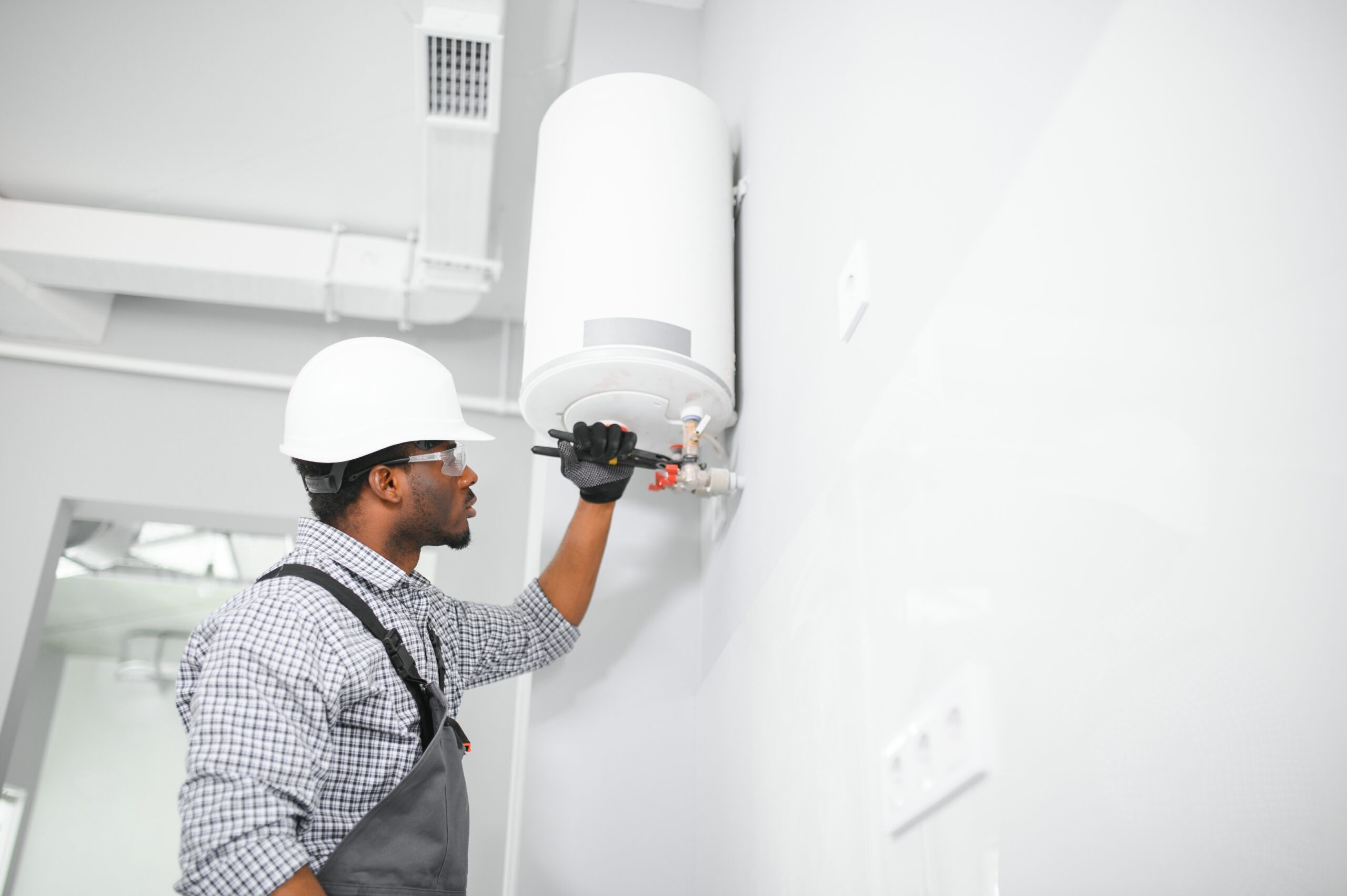
Heat pump repair in winter becomes essential because cold weather stresses heating systems in ways homeowners often don’t notice. When temperatures drop, heat pumps work longer, motors strain, and electrical components face heavier loads. Even minor issues can quickly escalate into full system failures, leaving homes cold and uncomfortable. Understanding what typically goes wrong in winter allows homeowners to act early, prevent emergency repairs, and protect their system’s longevity.
Why Emergency Heat Pump Repair Is More Common in Winter
Winter demands more from your heat pump. Longer operational hours mean motors, wiring, and control boards work harder than they do in milder months. Electrical connections may loosen, fans may wear faster, and sensors can misread conditions. Because of this, problems that might have gone unnoticed during the fall can suddenly escalate. What starts as a small quirk, like slightly slower heating, can quickly become a total system failure, prompting an emergency repair.
How Heat Pump Compressor Failure Develops Over Time
The compressor is the heart of the heat pump system. Unfortunately, especially during winter, cold temperatures are a major source of stress for a compressor. Normalized viscosity of a refrigerant causes damage to the parts inside the compressor when it is frequently stopped or started. Such a condition can lead to strange noises or a decrease in the functionality of the system before the compressor completely breaks down. Compressor troubles are a major source of stress for a homeowner since a replacement can prove to be quite costly.
How Heat Pump Blower Motor Issues Affect Indoor Comfort
The blower motor moves warm air through your home. During winter, if it becomes sluggish due to dust buildup or worn bearings, airflow decreases. This results in uneven room temperatures and longer run times, which increases the strain on the rest of the system. Weak airflow also traps heat inside the unit, causing components to overheat faster. Addressing blower motor issues before they worsen ensures consistent warmth and prevents emergency failures.
Common Electrical Heat Pump Problems During Cold Months
Electrical failures are among the most unpredictable winter issues. Cold temperatures increase household electrical demand, and heat pump circuits face added load. Loose wiring, worn relays, or moisture can interrupt power delivery. Even short-term interruptions may shut the system down for safety. These failures are common during cold snaps, especially in older units, and can leave homeowners without heat during the most inconvenient times.
Subtle Winter Heat Pump Breakdown Warning Signs
Many heat pump failures show early warning signs. Homeowners might notice slower warm-up times, frequent cycling, or intermittent shutdowns. Sometimes a room never feels evenly heated, or the system seems louder than usual. These subtle changes are often dismissed as “normal winter behavior,” but they usually indicate developing mechanical or electrical strain. Recognizing these early warnings is key to preventing a full winter breakdown.
Reasons a Heat Pump Does Not Heat in Cold Weather
Heat pumps have to work much harder in freezing conditions, and there are a number of issues that can prevent them from giving off heat efficiently. Frost building up on outdoor coils cuts down on heat transfer, while malfunctioning sensors can misread temperatures. Restrictions to airflow within the unit further lower efficiency. When the system works harder than normal to heat the home, overworking components increases wear, which in turn makes breakdowns more likely.
How Heat Pump Winter Maintenance Reduces Risk
Even before the winter season peaks, a season of maintenance can avert a state of emergencies. This ensures that the flow of air is constant as technicians tighten the wire contacts to avert short circuits or adjust settings to specific parameters. Small tweaks to a system’s settings can help ease the load from sensitive parts. Regular servicing can avert long cold spells when the system is either down or fails in ways that are costly to repair. Winter servicing can extend a system’s life to serve for many years.
Why Delaying Repairs Leads to Costly Heat Pump Repairs
Even minor issues can snowball during winter. A loose wire might damage a control board, while restricted airflow can overheat motors. Small problems that could have been fixed quickly often turn into multi-component failures if left unaddressed. Early intervention keeps repair costs manageable and avoids weeks without heat. Proactive care not only protects comfort but also saves money and stress in the long term.
Winter season, however, adds a different kind of pressure or burden on heat pumps and brings a few problems into the spotlight that might not have come to notice in other seasons. Problems like increased electricity consumption, low air circulation, and worn compressor and motor parts are something that must come to notice and, of course, require frequent inspections and maintenance services, which are in no way short of a step to a breakdown-free season and a cozy and safe space!
If your heating system is showing signs of trouble this winter, don’t wait for a full breakdown. Contact Crossway Mechanical at 832-250-6191 for expert guidance and trustworthy service that keeps your home warm no matter the weather. Our professionals will help you.
FAQs
1. Why do heat pumps fail more often in winter?
Cold weather increases workload and exposes worn electrical and mechanical components.
2. Can airflow problems really cause system shutdowns?
Yes. Poor airflow traps heat inside the unit, overworks motors, and may trigger safety shutdowns.
3. When is the best time to conduct winter maintenance?
Before the coldest months occur, so that all small problems are resolved before peaking demand is reached.