



Introduction
When it’s time to replace a heating system, most people ask the same question: which option will actually save me money? The choice goes beyond keeping you warm. It’s about the monthly payments, maintenance, and the system’s performance over the years. This is why some people begin researching about furnaces and heat pumps in Tomball, TX, before making a final decision.
Both systems can heat your home effectively. The difference comes down to how they operate and what that means for your budget.
Heat Pump vs Furnace: Which Saves More?
How These Systems Heat Your Home
A furnace creates heat – gas furnaces burn fuel, while electric models use heating elements. The warm air is then pushed through your ductwork.
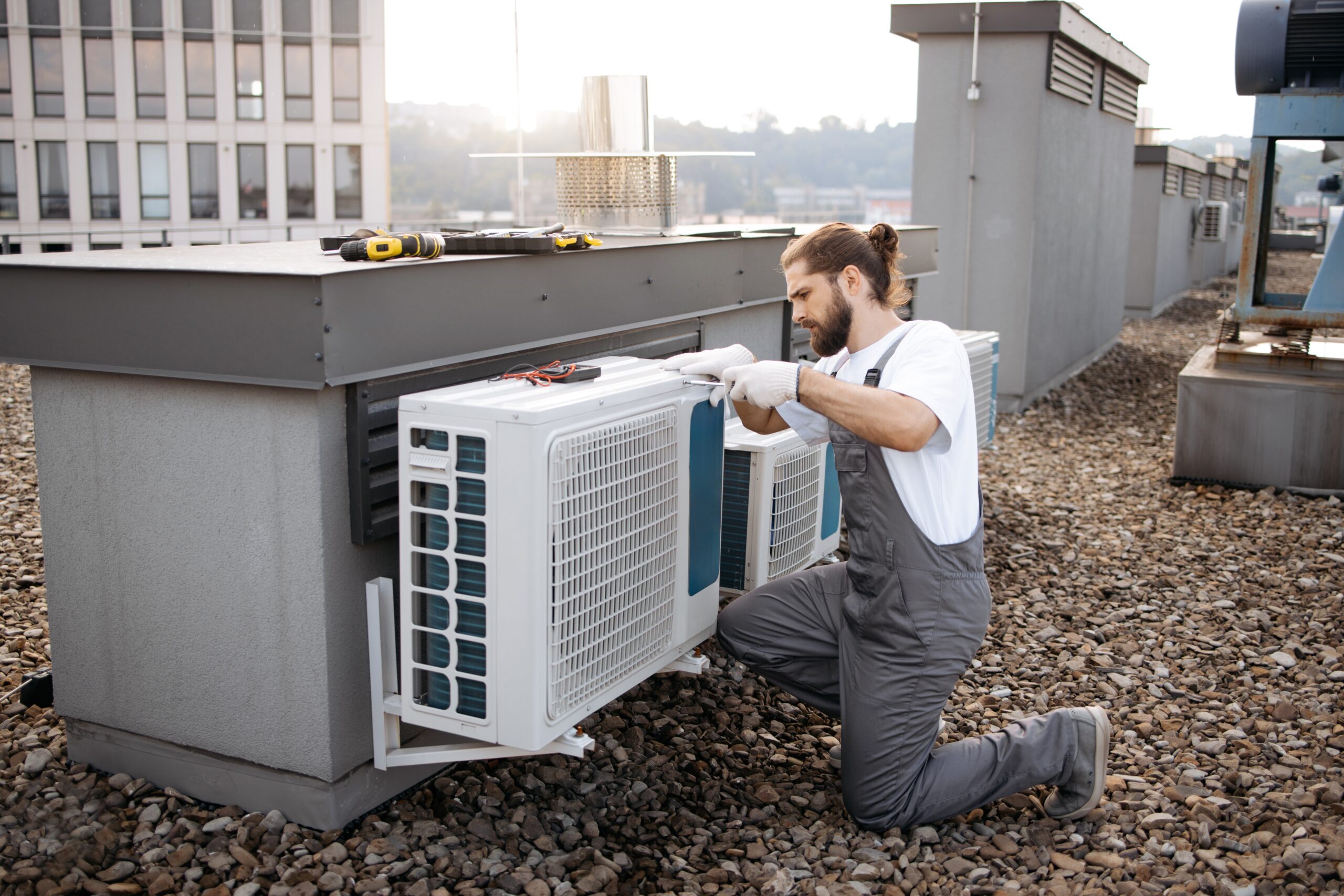
A heat pump works differently. Rather than producing heat, it draws the heat from outside air and brings it inside. Even if it is cool outside, there is still enough heat energy to make it work. Because it moves heat instead of creating it, it often uses less electricity in milder climates.
Installation Costs
Furnaces usually come with a lower upfront price, especially if your space already has gas service and existing ductwork. Although heat pumps have a higher initial cost than most heating systems, they offer both heating and cooling from the same unit, so it greatly reduces the need for additional systems to keep your building comfortable all year long.
It is important to note that only considering the cost of installation will not give you the complete picture. Long-term operating costs matter just as much.
Monthly Energy Bills
In areas with moderate winters, heat pumps tend to shine. They’re generally more energy efficient because of how heat is transferred, and that ends up saving you money over time. Gas furnaces can still be a cost-effective option; it really just depends on what the fuel prices are like where you live, but electric furnaces tend to be the more expensive choice when it comes to operating costs.
If your main goal is saving a few bucks on your monthly utility bills, then efficiency should be the deciding factor here.
Maintenance Requirements
No matter what type of furnace you go with, you’re going to need to keep it well-maintained. Furnaces need to be looked at every year to make sure the burners, the safety controls, and the airflow are all working as they should. Some people like to schedule a furnace tune-up near Tomball, TX, every fall in order to avoid any problems once winter rolls around.
Heat pumps also need to be serviced regularly – since they get used in both summer and winter, you want to make sure the coils are kept clean, and the refrigerant levels are just right – that way you can avoid any breakdowns and still get the efficiency you need.
Long-Term Value
Furnaces tend to last a bit longer, especially the gas ones, which only get run during the really cold months. Heat pumps, on the other hand, because they run all year round, might have a slightly shorter lifespan. But their efficiency and the fact that you can use them to heat and cool your home can sort of make up for that over time.
The bottom line is that the best choice is going to come down to how much energy you use in your home, what your long-term plans are, and what kind of comfort you expect. If your main goal is getting the most efficiency and year-round performance, then a heat pump might offer some pretty cool savings. If, on the other hand, you just want a low upfront cost and sufficient heat, then maybe a furnace is the way to go. Really comparing the upfront cost for installation, how much energy you actually use, and all the maintenance needs can help you make a pretty confident decision.
CTA:
If you are trying to decide between the two or just want a little guidance, you might want to give Crossway Mechanical a call at 832-250-6191. Our team can take a look at your home, break everything down for you, and help you pick out the system that will keep your home nice and cozy while saving you a pretty penny in the long run.
FAQs
1. Are heat pumps in Tomball, TX, a good option for both homes and commercial buildings?
In many cases, yes. Heat pumps are particularly effective in regions that have mild winters, making them an excellent choice for both residential and light commercial applications. For the homeowner, heat pumps provide energy-efficient comfort throughout the year. For commercial property owners, they can be an effective means of lowering operational expenses by providing both heating and cooling functions in one system. The proper configuration depends on building size, insulation, and usage, making a professional load calculation necessary.
2. How often should heating systems be serviced in residential and commercial settings?
For residential properties, a yearly maintenance check would suffice. Some homeowners also schedule a furnace tune-up near Tomball, TX, before the onset of winter to guarantee safe and efficient operation. For commercial buildings, more frequent maintenance checks may be necessary, especially if the equipment runs for a longer period of time. This would include office buildings, retail establishments, and small warehouses.
3. When should a business or homeowner consider upgrading to a heat pump?
However, if your current system is outdated, inefficient, or requires constant repairs, it may be worth considering other alternatives. Many property owners looking for heat pumps in Tomball, TX, are looking for more efficient and cost-effective alternatives. For residential property owners, this means more comfort and savings on their utility bills, while for commercial property owners, this means better climate control for their employees and customers while still keeping costs low. A professional assessment will be able to determine whether it is worth upgrading at this point or if your current system has good years left in it.
Efficiency meets performance.
- How Heat Pump Repair Services Keep Your Home Comfortable and Safe
- Heat Pump Repair Services: Why It’s More Than Just Fixing Issues
- How Delaying Heat Pump Repair Services Can Shorten System Lifespan