



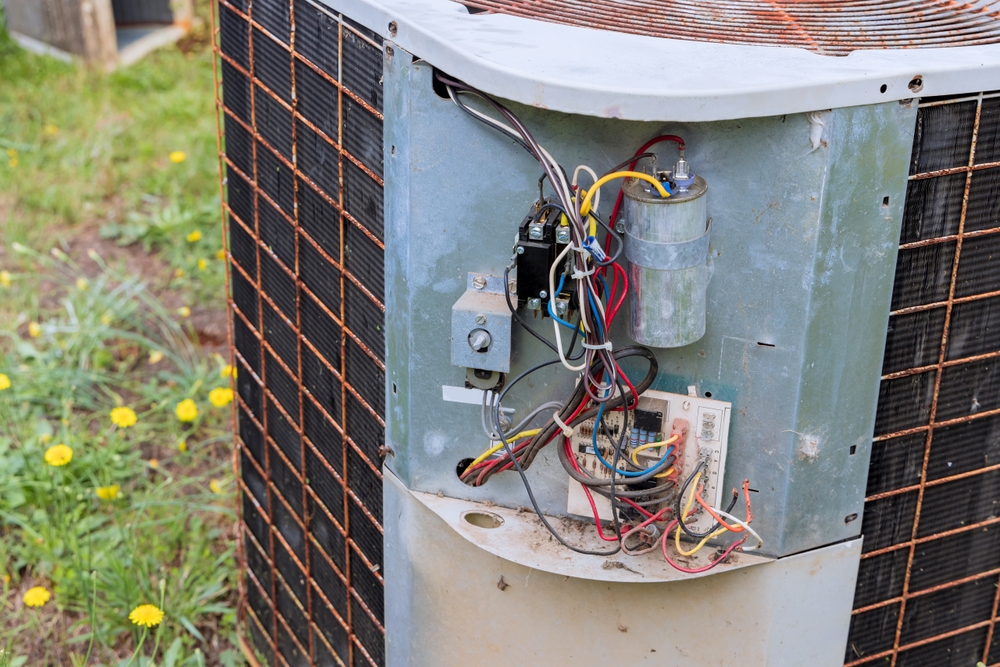
A calm cooling system keeps a home comfortable without drama. Once loud sounds start crashing through rooms, something inside that machine wants attention. Bangs, whistles, rattles, or squeals do not show up for fun. Parts loosen. Air pressure shifts. Motors strain hard. Fans slam against metal. Small issues grow fast.
An AC making loud noise can turn one peaceful evening into pure irritation. Many homeowners ignore sounds during early stages because cool air still flows. Big mistake. Cooling equipment often sends warning signs long before a shutdown arrives. This blog breaks down common sounds in plain language without robotic talk or confusing jargon. Think of this like a smart friend walking beside you through every strange sound coming from your cooling system.
1. Banging Sounds Usually Mean Internal Chaos
A banging sound feels aggressive. One loud slam can make anybody jump off a couch. If your cooling system sounds like somebody tossed a wrench into spinning parts, loose hardware may exist inside cabinet areas.
Fan blades sometimes break balance after years of constant movement. Mounts loosen too. Once parts start hitting metal surfaces, noise grows louder during every cooling cycle. Compressors can also create heavy banging sounds during failure stages. That problem deserves fast attention because compressor replacement costs hit hard. Another cause involves debris inside outdoor sections. Small sticks, rocks, or broken material can bounce around during operation. One tiny object can create nonstop clanking.
Watch for warning signs paired with banging:
- Shaking during startup
- Reduced airflow
- Hot air from vents
- Sudden shutdowns
- Burning smells
Ignoring these sounds can push damage into motors, wiring, or fan assemblies. A repair bill can jump from manageable numbers into wallet-punch territory within days.
2. Sharp Screeching Usually Points Toward Friction Problems
An air conditioner squealing sound cuts through walls like a siren. High-pitched noise usually means moving parts face heavy friction. Older systems often contain belts connected to motor assemblies. Belts wear down after long use. Cracks form. Alignment slips. Once slipping begins, squealing arrives fast. Motor bearings also create screaming noises after lubrication fades away. Bearings help rotating parts move freely. Dry bearings create resistance, heat, and loud screeching during operation.
Some homeowners continue running equipment for weeks after squealing starts. That move risks serious motor damage. One failing bearing can place massive strain on surrounding components. Here comes another important point. Noise may appear during startup only. That still matters. Intermittent squealing often signals early-stage wear before total failure arrives. Never spray random products into cooling equipment hoping sound disappears. Temporary silence does not fix mechanical wear. Proper inspection matters far more than guesswork.
3. Whistling Often Signals Airflow Trouble
An AC whistling sound when running may sound harmless during early stages. Many people compare it with wind slipping through a cracked window. Still, airflow whistles usually mean pressure problems somewhere inside system pathways. Dirty filters rank among the biggest causes. Restricted airflow forces air through narrow spaces, creating high-pitched sounds. Closed vents can also create pressure imbalance across ductwork.
Leaky ducts create another common issue. Escaping air moves rapidly through gaps, causing whistles behind walls or ceilings. Refrigerant leaks may also create hissing or whistling sounds near copper lines. Weak airflow paired with whistling deserves immediate attention. Cooling equipment works harder during restricted airflow conditions. Extra strain raises utility bills while shortening equipment lifespan.
Simple maintenance habits help reduce airflow problems:
- Replace dirty filters often.
- Keep vents open
- Clear debris around outdoor units
- Schedule seasonal inspections
Healthy airflow keeps cooling equipment calmer, quieter, and far less stressed.
4. Rattling Usually Means Loose Parts Keep Dancing Around
Most people hear rattling and assume nothing serious exists. Sometimes loose panels create harmless vibration. Other times major internal wear sits behind those sounds. Common air conditioner rattling causes include loose screws, disconnected panels, damaged fan blades, or debris trapped inside outdoor sections. Vibration from daily operation slowly loosens hardware over time. Rattling can also come from aging ductwork. Thin metal sections shift during airflow changes, producing annoying shaking sounds across ceilings or walls.
One important detail deserves attention here. Rattling rarely stays small forever. Loose material can damage nearby wires, motors, or electrical components if ignored too long. Pay attention to timing. Startup rattling may point toward fan trouble. Constant rattling during full operation often suggests mounting issues or debris movement. Your cooling system should sound controlled, not like kitchen pans crashing around during dinner prep.
5. Silence Usually Means Healthy Operation
Cooling systems naturally produce low humming during operation. Gentle airflow noise also sounds normal. Sudden changes, however, deserve attention fast. Grinding sounds often signal metal parts rubbing together. Buzzing may point toward electrical trouble. Clicking can indicate relay issues or failing control components. Many homeowners wait until total shutdown before calling technicians. That delay usually raises repair costs dramatically. Early action helps prevent larger failures during brutal summer heat.
Routine service visits help spot worn parts before serious breakdowns happen. Clean components face less strain. Balanced airflow supports stronger performance. Small fixes during maintenance visits can prevent major repair calls later. Think about cooling equipment like a hardworking machine inside a race garage. Every sound tells a story. Calm operation means parts work together properly. Loud operation means trouble has already started somewhere inside system areas.
Strange cooling system sounds should never fade into background noise. Banging, rattling, squealing, or whistling usually signals wear, airflow trouble, loose hardware, or stressed motors. Fast action can stop small damage from spreading across major components. Waiting too long often leads to higher repair costs, weaker airflow, or complete shutdowns during intense summer heat. Pay attention when sounds change suddenly. Your cooling system talks through noise long before failure arrives. Smart homeowners listen early, act fast, and keep indoor comfort steady before small trouble turns into full mechanical chaos inside the equipment.
“Loud cooling equipment should never disturb your peace at home. Let Crossway Mechanical inspect strange sounds before major damage attacks your system. One service visit today may save huge repair costs later. Call us now at 832-250-6191 for skilled support from our crew ready for serious cooling problems.”
FAQs
1. Why does my cooling system get louder during summer in Houston, TX?
Long cooling cycles during extreme heat can place added strain on motors, fan blades, and airflow movement. In Houston, TX, many homes notice stronger sounds once equipment starts running for longer hours without enough maintenance.
2. What should homeowners do after hearing sharp screeching sounds from indoor vents?
Homeowners should turn off cooling equipment for a short time and check air filters first. If noise continues after restarting, internal moving parts may need inspection before damage spreads further.
3. Can outdoor weather in Katy, TX, affect strange sounds coming from cooling equipment?
Yes. In Katy, TX, storms, loose debris, dirt buildup, and intense outdoor heat can affect fan movement and airflow pressure. Many homes experience rattling or vibrating sounds after severe weather passes through the area.