



You expect cold air. Not a debate. Not a delay. Just instant relief when that switch flips. But when your air conditioner isn’t cooling, everything feels off. Air moves, the system runs, yet comfort stays out of reach. That’s where clarity matters.
This isn’t about guessing. This is about control. You don’t need complicated steps. You need sharp observation and simple action. Most cooling problems begin small. Catch them early, and you stay ahead.
Think of your AC like a system that reacts to pressure, airflow, and balance. When one part slips, everything feels it. The good part? Many of these issues don’t need tools. Just attention and a few minutes of your time. Let’s break down five common causes you can check right now.
1. Thermostat confusion slowing cooling
Your thermostat is the command center. If it’s off, everything else follows. Start with mode. Set it to “cool.” Not “fan.” Fan mode keeps air moving but doesn’t lower temperature. That alone creates the illusion of failure. Now check temperature setting. If it’s too close to room temperature, the system won’t push harder. Drop it a few degrees and observe the response. Give it a few minutes to react before jumping to conclusions.
Battery level matters too. Weak batteries can cause delayed signals or no response at all. Replace them and reset the system if needed. Also check for placement. If the thermostat sits near a heat source or direct sunlight, it may read room temperature incorrectly. That leads to uneven cooling or delayed cycles. This step takes minutes. Yet it solves more cases than people expect. Start here before assuming something bigger.
2. Air filter blocking airflow
Airflow drives cooling. Restrict it, and performance drops fast. A dirty filter acts like a wall. Air struggles to pass through. That strain reduces cooling output and can even lead to warm air blowing from vents. This is where people start noticing AC blowing warm air and assume something serious is wrong. Slide out the filter and check it. If it looks dark and packed with dust, it’s overdue for replacement.
A fresh filter allows air to move freely again. That one change can bring back steady cooling. You’ll often notice stronger airflow within minutes after replacing it. Filters also protect internal parts. When they clog, dust moves deeper into the system, affecting coils and fans. That adds more stress over time. Make this a routine. Check monthly. Replace when needed. Small effort, big impact.
3. Outdoor unit losing efficiency
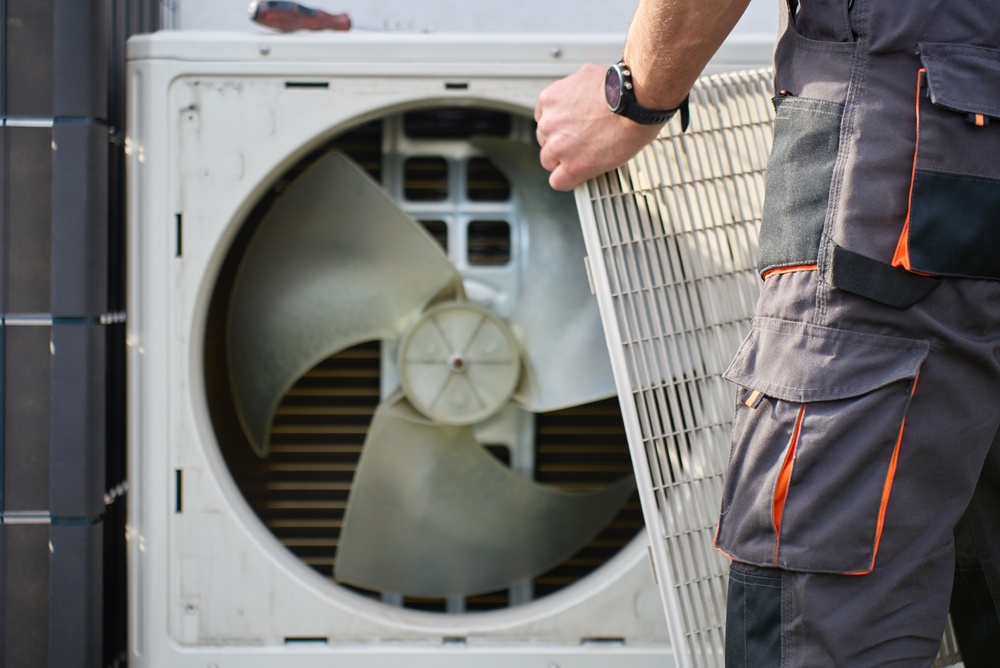
Your outdoor unit releases heat pulled from inside. If it can’t do that job, cooling drops. Step outside and inspect it. Dirt, leaves, and debris can collect around the unit. That buildup blocks airflow and traps heat. Clear space around the unit. Give it room to breathe. About two feet of open space helps airflow stay steady. Look at coils. If they appear dirty, rinse them gently with water. No high pressure. Keep it simple. Also listen for sound changes. If the unit sounds louder than usual or runs longer without results, airflow restriction might be part of the problem.
Check the fan as well. It should spin freely when the system runs. If it struggles, airflow drops, and heat stays trapped. Clean surroundings lead to better heat release. Better heat release means stronger cooling indoors. Ignore it, and the system keeps working harder without results.
4. Refrigerant imbalance affecting cooling output
Refrigerant is the core of the cooling process. If levels drop, the system loses its edge. You might notice longer run times, weak cooling, or uneven temperatures across rooms. At this stage, your AC troubleshooting guide approach needs to shift from DIY to observation. Low refrigerant usually points to a leak. That leak needs repair before anything else. Adding refrigerant without fixing the leak only delays the problem.
Other signs include hissing sounds, ice buildup on lines, or a sudden drop in cooling efficiency. This isn’t a DIY fix. It requires proper tools and training. But spotting signs early helps you act before damage grows. Letting the system run in this condition puts pressure on the compressor, which can lead to costly repairs. Acting early protects your system and your budget.
5. Frozen evaporator coil slowing system
Ice inside a cooling system sounds odd, but it happens often. When airflow drops, or refrigerant levels fall, the evaporator coil can freeze. Ice builds up and blocks heat exchange. That leads to weak cooling or warm air from vents. Look for reduced airflow or visible ice near the indoor unit. Sometimes you may also notice water pooling after ice melts.
If you find ice, turn off the system and let it thaw fully. This may take a few hours. Don’t rush it. After that, check the filter again. Many frozen coil cases link back to airflow restriction. If the issue returns, deeper inspection is needed. There could be a refrigerant issue or internal airflow problem. Ignoring a frozen coil can damage components and reduce system life. Taking action early keeps things under control.
Cooling should feel effortless, yet small issues can disrupt that balance faster than expected. A wrong thermostat setting, a clogged filter, or a blocked outdoor unit can quietly reduce performance until comfort fades. Staying alert makes all the difference. When your system starts acting differently, don’t ignore it. Walk through these checks with focus and patience. Many problems are resolved right there. And if they don’t, you’ll understand what’s happening before reaching out, which saves time and avoids confusion.
“If your system still refuses to cooperate, don’t let frustration take over. Crossway Mechanical steps in with sharp diagnosis and clear solutions. No confusion, just results. Take control of your comfort today. Call now at 832-250-6191 and let our crew handle what your system can’t.”
FAQs
1. Why does my AC struggle during peak summer in Houston, TX?
In Houston, TX, extended heat puts heavy demand on cooling systems. Filters clog faster, and outdoor units are constantly exposed to dust and debris, which affects performance.
2. How often should I check my AC system?
Checking your system every month helps maintain steady airflow and prevents buildup that can reduce cooling efficiency over time.
3. What leads to weak airflow in Katy, TX, homes?
In Katy, TX, weak airflow often stems from blocked vents, dirty filters, or duct buildup, all of which can limit how well air moves through your home.