



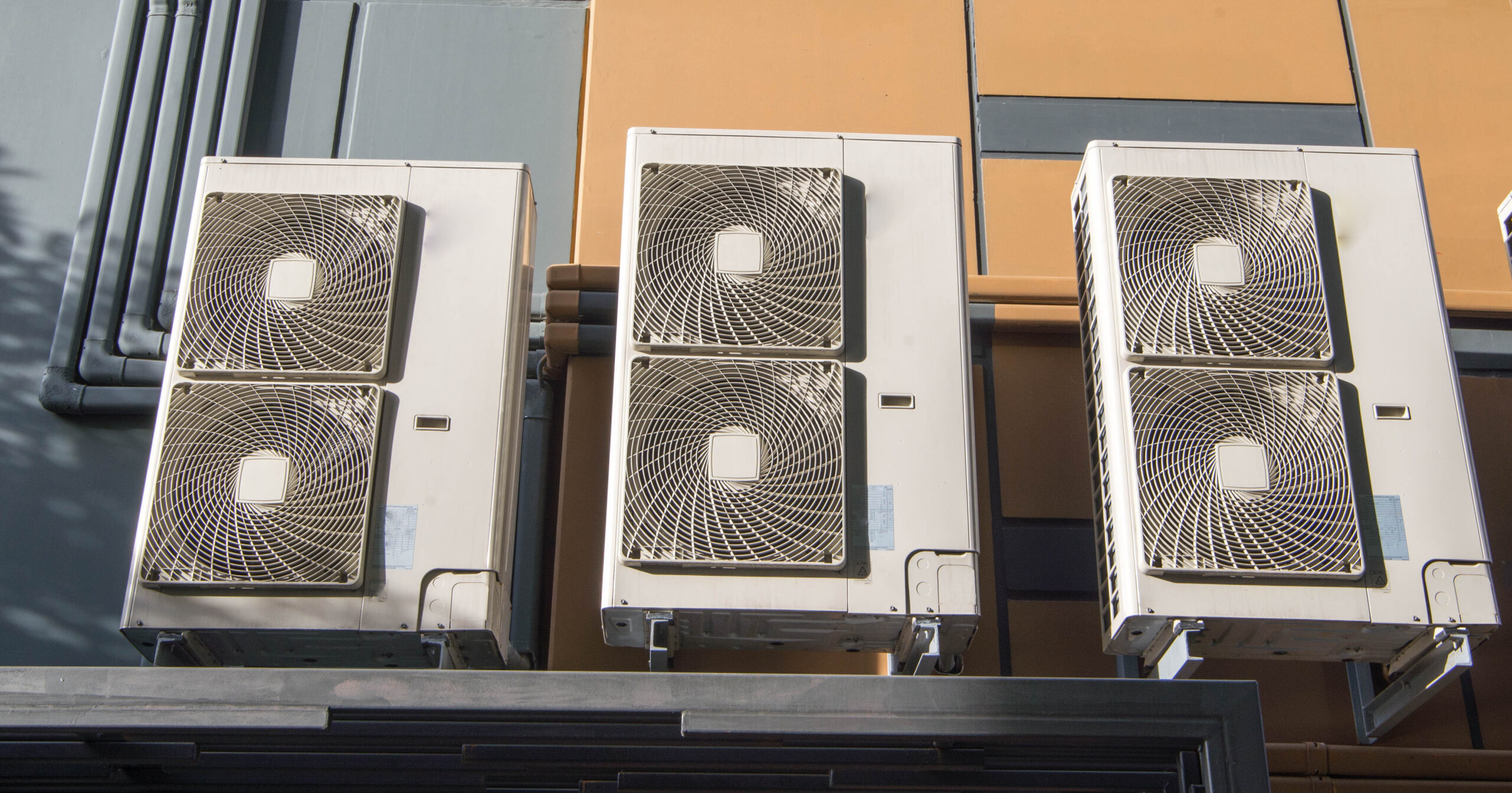
Step into a Texas summer and your air conditioner stops being a background appliance. It becomes mission-critical. It runs for hours, takes heavy thermal load, and rarely gets a real break. That is why AC lifespan in Texas is not a casual topic. It is about endurance, timing, and knowing when your system is still holding strong or quietly slipping.
People want a clear number. A fixed timeline. Here is reality: in Texas, most systems last around 10 to 15 years. Not because they are weak, but because they work harder than units in cooler regions. Heat here is intense, long, and relentless. That pressure adds up.
Now let’s get into what actually shapes that lifespan, how to read early signals, and what you can do to stay ahead instead of reacting late.
1. Real Lifespan Range Under Texas Heat
There is no magic number that fits every home. Still, patterns exist. Most systems in Texas land in that 10 to 15-year window. Some push beyond it, but only with consistent care. Ask anyone how long air conditioners last, and you will hear different answers. That is because usage changes everything. In Texas, systems often run for most of the day during peak season. That means compressors cycle more, fans spin longer, and internal components face constant expansion and contraction.
Think of it like running a machine non-stop versus giving it regular downtime. Same design, very different outcome. A unit in a mild climate may stretch past 18 years. In Texas, that same model may retire earlier. That is not failure. That is workload.
2. What Speeds Up System Wear
Heat alone is not the only factor. There are multiple elements that push your system closer to its limit. First, airflow problems. A clogged filter restricts movement of air, forcing your system to push harder. That added strain affects motors and coils over time. Second, outdoor conditions. Dust, dirt, and debris collect around your condenser. When airflow drops, heat stays trapped, and your system works overtime to release it.
Third, skipped maintenance. Small issues build quietly. Low refrigerant, loose electrical parts, or blocked drains start minor and grow into major damage. Fourth, installation quality. If your unit was not installed with care, it may never reach full performance. Poor airflow design, incorrect sizing, or weak setup from day one leads to faster wear. These are not dramatic failures. They are slow drains on lifespan.
3. Signs Your AC Is Nearing Its Limit
Your system does not fail without warning. It gives signals. You just need to catch them early. Cooling becomes uneven. One room feels fine, another feels off. That gap grows over time. It tells you your system is losing balance. Energy bills start rising. No major lifestyle change, yet costs climb. That usually means your system is working harder to deliver less.
Sound changes too. Not loud noise alone, but different tones. A deeper hum, a slight rattle, or a sharp buzz. These are signs parts are under stress. Repairs become more frequent. One service call turns into two, then three. That pattern matters. When you look at air conditioner life expectancy, it is not only about years on paper. It is about how your system behaves day to day.
4. Smart Habits That Extend AC Life
You do not need complex routines to keep your AC going longer. You need discipline with small actions. Start with filters. Change them on time. Clean airflow reduces strain across the entire system. It is simple, yet powerful. Keep the outdoor unit clear. Remove debris, rinse off dust, and give it space to breathe. That alone improves heat release.
Routine service matters. A scheduled check catches early issues. Adjustments made at the right time keep parts from wearing out too soon. Thermostat habits also play a role. Setting extreme low temperatures forces your system into long cycles. Keep settings steady. Let your unit work within a reasonable range. Pay attention to small changes. A slight drop in performance today is easier to fix than a major breakdown later. Consistency keeps your system in control.
5. When Replacement Becomes Smarter Than Repair
There comes a point where repairs stop making sense. You keep fixing parts, but overall performance does not improve. If your system is over 12 years old and needs frequent service, take a step back. Look at total cost, not just one repair. Older systems also draw more energy. Even if they still run, they consume more to deliver less comfort. That affects monthly bills.
Comfort itself becomes uneven. Rooms never feel right. Airflow drops. Cooling takes longer than it should. Replacing your unit is not giving up. It is making a calculated move. A newer system runs more efficiently, handles Texas heat better, and restores balance inside your home. Sometimes, holding on costs more than moving forward.
The Texas heat just puts your air conditioning system under the gun, day in & day out, and that wears out the thing faster than anything. You need to put in some TLC, make smart decisions, and pay attention to whatever’s going on with your unit so it stays effective as long as possible. Keep an eye open for trouble signs, stick to a regular maintenance routine, and don’t just ignore that little nagging problem you’ve been noticing. Over time, though, every machine comes to a point where you’re just throwing good money after bad. Spotting that moment early- that’s where the money and the stress savings come in. Your comfort at home really depends on that system running smoothly, and it all starts with getting a real idea of how long it’s truly got left in it under the real-world conditions of a Texas summer.
“If your AC feels tired, sounds different, or costs more to run, do not wait for a complete breakdown. Step in now and take control. Crossway Mechanical brings clarity, action, and results that make sense for your home. No guesswork, no delays, just solutions that work. Call us now at 832-250-6191 and get your cooling system back where it should be.”
FAQs
Q1: How often should an AC system be checked in Texas?
In Texas, an annual inspection helps keep your system in good condition. With long cooling seasons, regular service supports better performance and prevents major issues.
Q2: Why do air conditioners wear out faster in Texas?
Texas temperatures remain high for extended periods, forcing systems to run longer. That constant operation increases wear on key components.
Q3: Is replacing an old AC unit a better choice in Texas homes?
For older systems with frequent repairs, replacement often delivers greater efficiency, improved comfort, and lower long-term running costs.