



You hear a click. Lights flicker. Then everything seems normal again. That moment right there can quietly hurt your cooling system. So let’s get straight to it. Can power surge damage AC units? Yes, and damage often starts silently before it turns into a costly mess.
An air conditioner runs on sensitive electrical parts. Capacitors store energy, control boards manage functions, and compressors keep cooling steady. All of these expect stable voltage. When voltage jumps, even for a second, it pushes stress through every internal part. That stress can weaken components or burn them out instantly. Here’s where things get tricky. Your AC may keep running after a surge. You might think nothing happened. But inside, damage could already be building. Days or even weeks later, performance drops. Cooling feels weaker. Bills creep higher. Eventually, something gives out. This isn’t bad luck. It’s physics doing its job in a harsh way. Voltage spikes don’t negotiate. They hit hard and move on, leaving your system to deal with damage.
1. What Happens Inside Your AC During a Surge
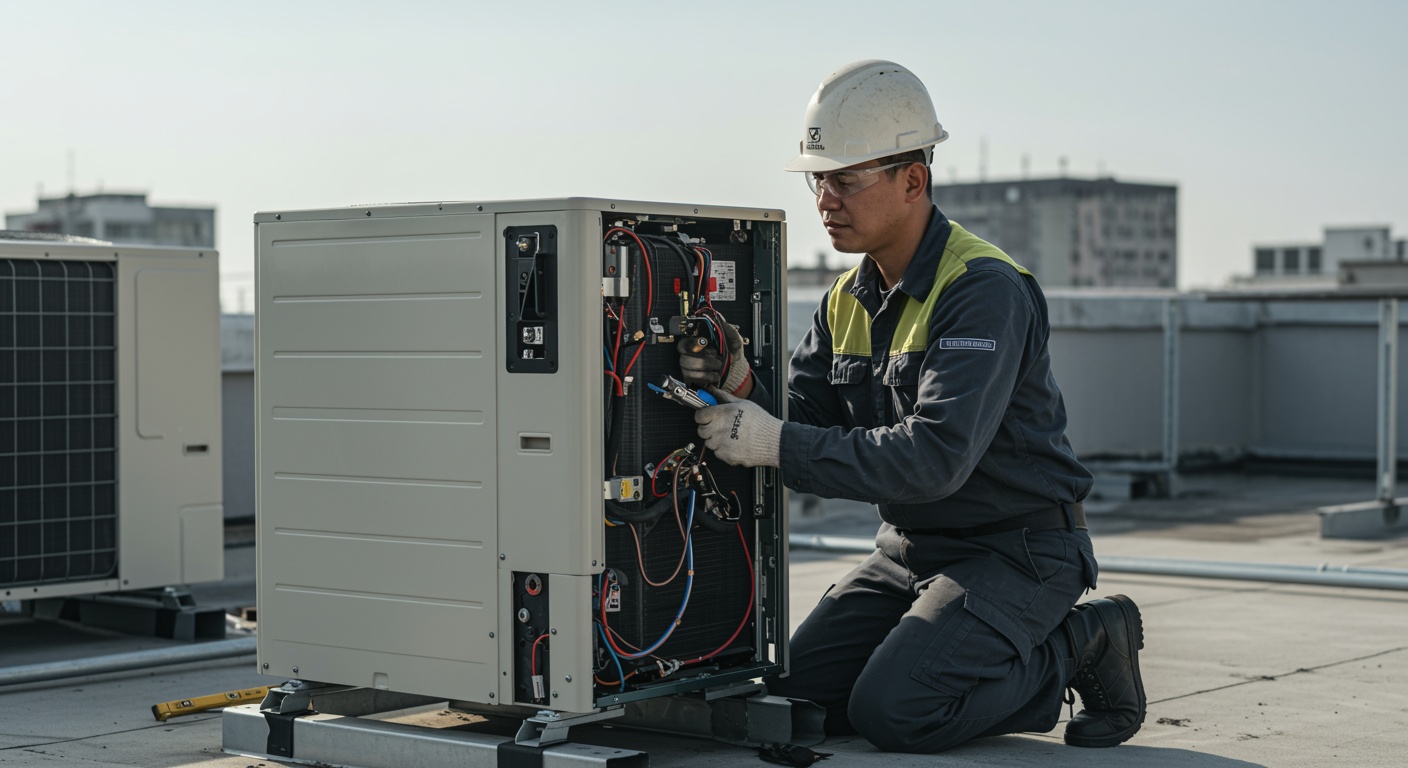
Think of your AC like a system built for balance. It expects a steady electrical flow. When that balance breaks, internal parts struggle to cope. During a surge, voltage shoots above safe levels. That excess energy travels through wires and hits key components first. Capacitors can overload and fail. Compressor motors may overheat. Control boards can suffer tiny burns that later turn into major faults.
Even a short spike can reduce the lifespan of these parts. It’s not always about immediate shutdown. Often it’s slow damage that builds quietly. That’s why many homeowners get caught off guard. The system worked yesterday. Today, it struggles. Electrical stress doesn’t disappear. It leaves marks inside your unit.
2. Early Signs Linked to Air Conditioner Surge Issues
Your AC doesn’t speak, but it sends signals. Ignoring them is where problems grow. After a surge, you might notice your system hesitating before it starts. That pause is not random. It’s a sign something inside is struggling. You may hear clicking sounds that weren’t there before. Airflow might feel weaker, or certain rooms stop cooling evenly.
Another sign shows up on your electricity bill. When internal parts lose efficiency, the system works harder to do the same job. That effort shows up as higher costs. These are classic air conditioner surge issues. They don’t scream for attention right away. They whisper first. If you catch them early, you save money and avoid bigger trouble.
3. Why Texas Homes Face Higher Risk
Now let’s talk about real-world conditions. Texas heat pushes AC systems hard. Add storms, grid strain, and sudden outages, and you get a perfect setup for electrical instability. When electricity cuts off and then returns, voltage doesn’t always come back clean. It can spike before settling. That spike hits appliances immediately, especially systems like AC units that restart under load.
This is where Texas power outages and AC damage become a real issue. Many systems get hit during that restart moment. Homeowners think the outage caused no harm, but damage often begins right when electricity returns. Older electrical setups make things worse. Outdated panels or wiring can’t handle fluctuations well. That increases stress on your AC even more. So yes, location plays a big role. Conditions in Texas create higher exposure to surge-related damage.
4. Smart Ways to Protect Your AC System
You don’t need complex upgrades to reduce risk. A few focused steps can make a big difference. A surge protector acts like a shield. It blocks excess voltage before it reaches your AC. Installing one for your home, or even directly for your HVAC system, can prevent major damage. Another smart move is shutting off your AC during strong storms if possible. This removes it from the electrical flow when risk is highest.
Regular inspections also matter. Electricians can check wiring and panels for weak points. Fixing those areas reduces chances of sudden spikes causing damage. Maintenance helps too. A system in good condition handles stress better. It won’t stop a surge, but it improves how your AC responds afterward. Protection is not complicated. It’s about taking control before problems take control of your system.
5. What to Do If Your AC Gets Hit
Let’s say a surge has already happened. Now what? First, don’t ignore small changes. If your AC sounds different or struggles to cool, get it checked. Waiting usually turns a small repair into a bigger one.
Minor damage often involves parts like capacitors. These are manageable fixes. But if a compressor gets damaged, cost rises fast. At that point, replacement might enter the conversation. Timing matters here. Acting early gives you more options and lower expenses. Waiting limits both. A professional inspection can reveal hidden damage before it spreads. That step alone can save you from a major breakdown later.
Voltage spikes don’t give warnings. They strike, pass through your system, and leave stress behind. Ignoring that stress leads to poor cooling, rising costs, and sudden breakdowns when heat peaks. Your AC is built for performance, not for handling unstable electricity. Paying attention to small changes, adding surge protection, and taking action early keeps your system in control. This approach keeps cooling steady and avoids surprise repairs. A little awareness now saves a lot later, and keeps your home comfortable when it matters most.
“Your AC shouldn’t be left exposed to electrical chaos. Crossway Mechanical steps in with sharp diagnostics and real solutions that keep your system strong. Don’t wait for failure to make a decision. Take charge today. Call now at 832-250-6191 and let our experts keep your cooling system ready for anything.”
FAQs
1. Why do AC systems stop working after storms in Texas?
Storm activity across Texas often causes voltage spikes when electricity returns after an outage. These spikes can damage internal AC parts, leading to sudden failure.
2. Is it safe to run an AC right after an outage in Texas?
It’s better to wait a few minutes after electricity returns in Texas. This allows voltage to stabilize before your AC restarts, reducing the risk of internal damage.
3. How can homeowners in Texas protect AC units from electrical damage?
Installing surge protection, maintaining electrical systems, and scheduling inspections in Texas can reduce the risk of damage from unstable voltage.