



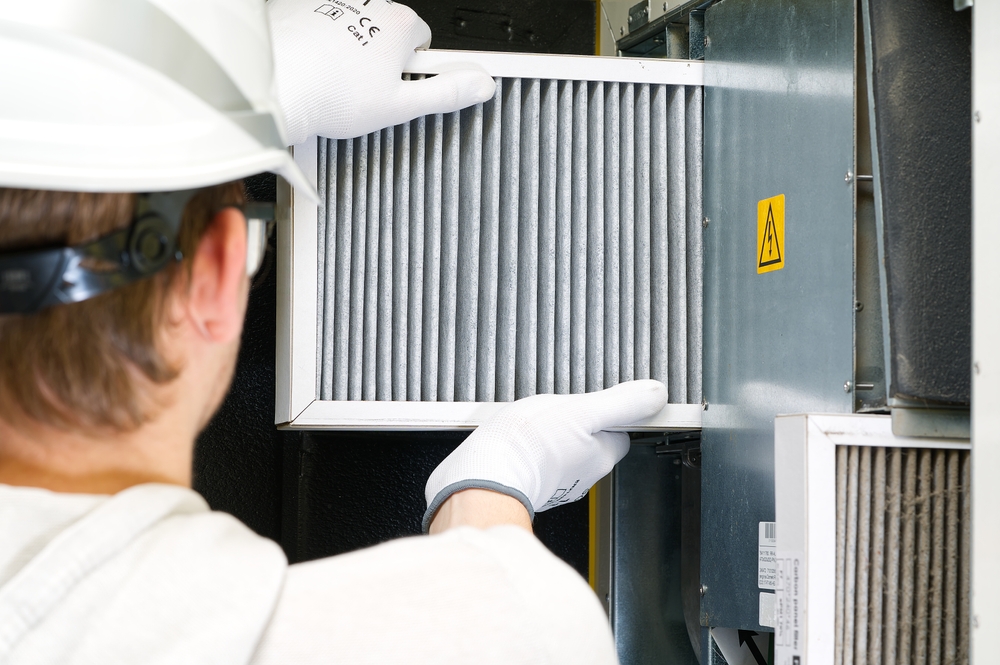
The phrase furnace servicing cost for homes often makes homeowners think about one aspect, the invoice. But a proper service visit is better thought of as insurance: a relatively small, predictable expense that prevents costly emergency repairs, keeps you safe, and reduces energy bills during the coldest months. Simple maintenance catches worn parts, improves efficiency, and helps avoid being left without heat when you need it most.
At Crossway Mechanical, our technicians regularly see how a modest annual service call prevents a major winter emergency. Below, we explain what typically goes into servicing costs, why they pay off, warning signs to watch for, and practical steps homeowners can take.
What’s Included in a Typical Furnace Service
Service visits usually bundle inspection, cleaning, and minor adjustments:
- Safety checks (gas lines, venting, carbon monoxide risks).
- Electrical tests (capacitors, contactors, wiring).
- Combustion inspection for gas furnaces (flame quality, pilot/ignition).
- Filter replacement or guidance, blower and burner cleaning, and thermostat calibration.
- Lubrication of moving parts, belt/drive checks, and basic duct inspection.
- Technician training, diagnostic tools, and safety protocols all contribute to the service price, but they are also what prevent failures and keep warranties intact.
Common Warning Signs That Mean Service Is Urgent
If you notice any of the following, servicing should move from “scheduled” to “soon”:
- Unusually high heating bills with no change in use.
- Frequent cycling (on/off) or the system running continuously.
- New noises: banging, grinding, or high-pitched squeals.
- Reduced or uneven heat across rooms.
- Visible soot, rust, water, or smell of combustion near the furnace.
Cost Drivers: Why Prices Vary
Several factors influence the final servicing cost:
- System type and complexity (modern high-efficiency furnaces vs. older models).
- Whether the job is a simple tune-up or requires parts replacement (filters vs. capacitors, ignitors, belts).
- Accessibility: units in tight closets or attics take longer.
- Local labor rates and seasonal demand. Early fall is cheaper than a mid-January emergency.
- Any required safety tests (CO testing, combustion analysis) and permit work.
How Servicing Pays for Itself
A targeted tune-up restores combustion efficiency, improves heat transfer, and reduces blower energy. That typically cuts fuel or electric use, lowers wear on the compressor or heat exchanger, and reduces the chance of a catastrophic failure that costs many times a service call. In short, a modest servicing cost guards against big, unpredictable expenses.
Below are practical preventive steps you can take at home; many are low-cost and provide immediate benefits.
- Change or clean filters regularly (monthly during heavy use).
- Keep the furnace area clear of clutter and combustibles.
- Ensure vents and returns are open and unobstructed.
- Set a reasonable thermostat schedule and avoid extreme setbacks that cause strain.
- Note and report any new noises, smells, or performance changes to your technician.
When Repairs Become Replacement Decisions
A single repair doesn’t always mean replace. But if you face repeated failures, a cracked heat exchanger, or repair costs approaching half the price of a new high-efficiency furnace, replacement becomes the smarter long-term move. Technicians can provide a cost comparison and savings estimate based on fuel type and expected efficiency gains.
Safety and Warranty Considerations
Regular documented servicing often preserves manufacturer warranties and is essential for safe gas-fired operation. Skipping scheduled maintenance can void coverage and increase liability, another reason servicing cost is a sensible investment.
Conclusion
Thinking of furnace servicing cost for homes as an investment rather than an expense changes the math: routine service avoids emergencies, lowers bills, protects safety, and prolongs equipment life. The small, predictable cost of a tune-up is true insurance against the discomfort and expense of a winter breakdown.
Schedule your pre-winter furnace service with Crossway Mechanical at 832-250-6191 to lock in comfort and reduce the chance of emergency repairs this season.
FAQs
What factors most affect the furnace servicing cost for homes in Houston, TX?
Typical factors include the furnace age and model, whether parts need replacement, accessibility, required safety testing, and the timing of the visit in Houston, TX.
Will regular servicing help my system’s warranty and safety in Houston, TX?
Yes, most manufacturers require documented annual maintenance to keep warranties valid. Servicing also includes CO and combustion checks that are critical for safe operation, especially for gas furnaces in Houston, TX.
How soon will I see savings after a professional tune-up?
You can often notice improved comfort and steadier temperatures immediately; energy savings may appear in the next billing cycle, depending on usage and the severity of prior inefficiency.