



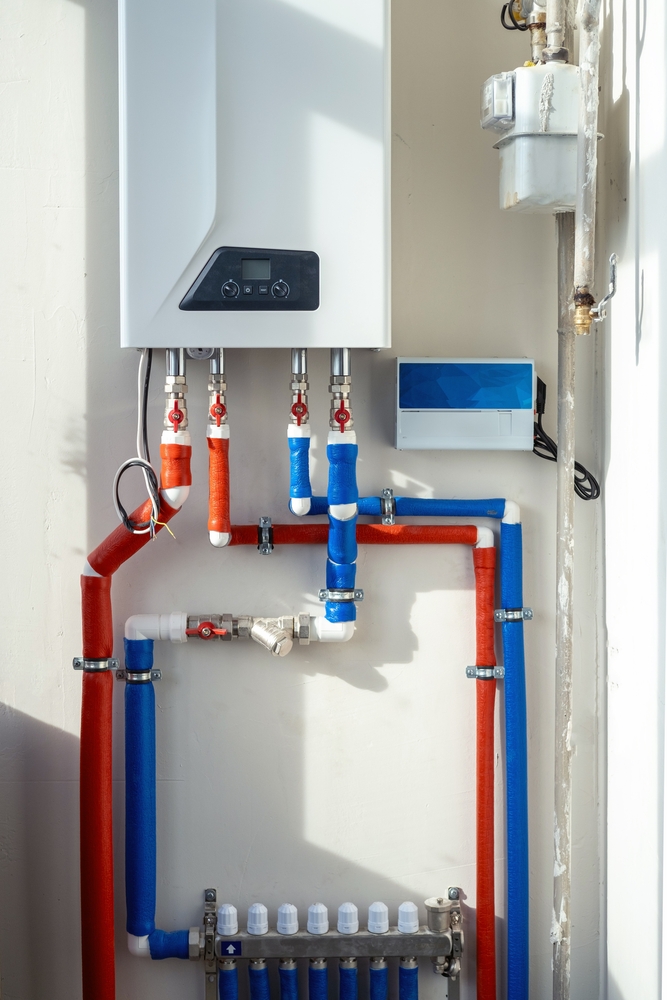
Signs your heat pump needs service often appear well before your home loses heating, but because changes are gradual, many homeowners miss them. Issues like extended run times, fluctuating temperatures, and unusual noises are the system telling you it needs attention. At Crossway Mechanical, technicians frequently see avoidable winter emergencies that started as small, ignored symptoms. Knowing what to watch for keeps your family warm and prevents expensive, last-minute fixes.
Why Early Service Matters
Heat pumps move heat rather than generate it, so restricted airflow or failing parts reduce their effectiveness quickly. Early service restores efficiency, lowers utility bills, improves comfort, and prevents stress on major components (especially the compressor), which is the most costly part to replace.
Top Warning Signs Your Heat Pump Needs Service
Below are the signs that show you need to act quickly:
- Longer Run Times or Inability to Reach Set Temperature
If your heat pump runs much longer than usual or struggles to reach the thermostat setpoint, reduced capacity from dirty coils, low refrigerant, or failing components may be the cause.
- Uneven Heating Across Rooms
Cold spots or large temperature differences usually point to airflow problems, duct leaks, or failing zone controls that deserve professional inspection.
- Strange Noises (Rattling, Squealing, or Grinding)
New mechanical noises commonly indicate loose panels, failing bearings, or a deteriorating fan motor. These sounds often precede major mechanical failures.
- Noticeable Spike in Energy Bills
A creeping or sudden increase in heating costs without a corresponding change in usage is a classic sign of efficiency loss that service can often correct.
- Frequent Short Cycling or Constant Running
Short cycles (turning on and off frequently) or nonstop operation stress the compressor and shorten system life. Causes include thermostat issues, improper refrigerant charge, or electrical faults.
- Frost or Ice Build-Up on the Outdoor Unit
Persistent icing or excessive defrost cycles suggest airflow restrictions, refrigerant problems, or sensor faults, all of which reduce performance in cold weather.
- Poor Airflow from Vents
Weak airflow often comes from clogged filters, blocked returns, or blower motor problems. Reduced airflow lowers system efficiency and comfort.
- Odors from Vents or Indoor Air
Musty or sour smells can indicate mold in the ductwork or on coils; chemical or metallic odors may point to electrical problems or refrigerant leaks. Both should be checked promptly.
Factors That Affect How Quickly You Should Act
Here are the factors to act quickly:
- Age of the heat pump (older units are less forgiving).
- Frequency and severity of symptoms.
- Whether household members have health issues affected by indoor air quality.
- Recent unusual energy bill increases.
- Visible leaks, oil stains, or burning smells.
Common Technical Causes
Here are the common technical causes for a heat pump failure.
- Dirty coils and filters reduce heat transfer.
- Low refrigerant diminishes capacity and can damage the compressor.
- Duct leaks waste heated air and create cold spots.
- Failing electrical components (capacitors, contactors) cause startup problems.
- Worn motors or belts create noise and reduce airflow.
When Service Turns into Replacement
Not every repair means replacement. However, if a unit is over 10–15 years old, requires repeated expensive repairs, or if repair costs approach half the price of a new high-efficiency system, replacement is often the better long-term investment.
Simple Homeowner Checks Before Calling a Pro
Below are the checks a homeowner should do before calling a professional:
- Replace or clean filters monthly during heavy use.
- Clear debris and vegetation around the outdoor unit.
- Verify thermostat settings and battery levels.
- Ensure supply and return vents are open and unobstructed.
- Note and record odd noises or bill changes to share with your technician.
Conclusion
Recognizing signs your heat pump needs service early, such as longer run times, unusual noises, airflow problems, or rising bills, lets you schedule repairs before cold weather arrives. Timely maintenance improves comfort, reduces energy costs, and lengthens equipment life.
Schedule a professional inspection with Crossway Mechanical to make sure your heat pump is winter-ready and avoid emergency repairs when temperatures drop. Call us at 832-250-6191.
FAQs
How fast can I get emergency heat pump service in Houston, TX?
Emergency response times vary by provider and season in Houston, TX. If you have no heat, visible leaks, or safety concerns, request same-day service and explain the situation to the dispatcher.
What’s the single easiest thing I can do to help my heat pump before winter?
Replace or clean the air filter. It’s the quickest way to improve airflow and efficiency.
How often should my heat pump be inspected in Houston, TX?
Annually is standard. Scheduling a fall tune-up before heavy winter use is ideal. Homes in Houston, TX, with heavy demand or pets may benefit from biannual checks.