



Picture this. It’s July. You walk inside expecting a wall of cold air, and instead you get room temperature. Not great. That’s usually the moment folks reach out for AC service in Tomball, TX, instead of standing by the vent, hand raised, hoping for a miracle. Here’s the truth most people miss. Your AC rarely just dies. It slips. Bit by bit, day by day, until one afternoon the house feels like a slow oven. The reasons behind it? Pretty short list, actually. Let’s go through them.
1. The Filter You Forgot About
Start here. Honestly, this is the culprit nine times out of ten. That filter behind your vent grabs dust, pet fur, dead skin, all of it, and after a couple of months it turns into a felt pad. Air can’t squeeze through. So your AC strains, runs way too long, and barely cools a thing. The tell? Weak airflow and a thermostat that just won’t hit its mark. Try this. Pull the filter out and hold it up to a window. Can you see light through it? No? Then it’s done. A new one runs you a few bucks. Swapping it takes about ten seconds. Do it monthly in summer and you’ve solved most cooling headaches before they even start.
2. Refrigerant That Quietly Went Missing
Think of refrigerant as the stuff that actually moves heat out of your home. And here’s the kicker. It’s not like gas in your car. It should never run low. So when the air turns lukewarm, a leak is usually hiding somewhere. Listen close. A soft hiss near the lines? Ice creeping up the copper pipe outside? Both are red flags. And no, just topping it off won’t cut it. That’s like pumping up a tire with a nail in it. You’ll be back next week. The fix means finding the leak, sealing it, then refilling to spec. That takes proper gear and a careful hand. Get it right once, and the cold air sticks around.
3. A Thermostat With a Mind of Its Own
Sometimes the AC is fine. The little box on your wall is the troublemaker. Dead batteries. A loose wire. A sensor that’s lost the plot. Any of those can scramble the whole system. Maybe it clicks on and off every few minutes. Maybe it just sits there while the room cooks. Older units drift, too. They’ll swear it’s 72 when it’s pushing 78. Location plays a part as well. Stick a thermostat in afternoon sun or above a warm TV, and it’ll read the whole house wrong. So before you panic about the big unit outside, do the basics. New batteries. Set it to cool, not fan. A smart model acting up? A quick reset usually sorts it.
4. Coils Covered in a Season of Grime
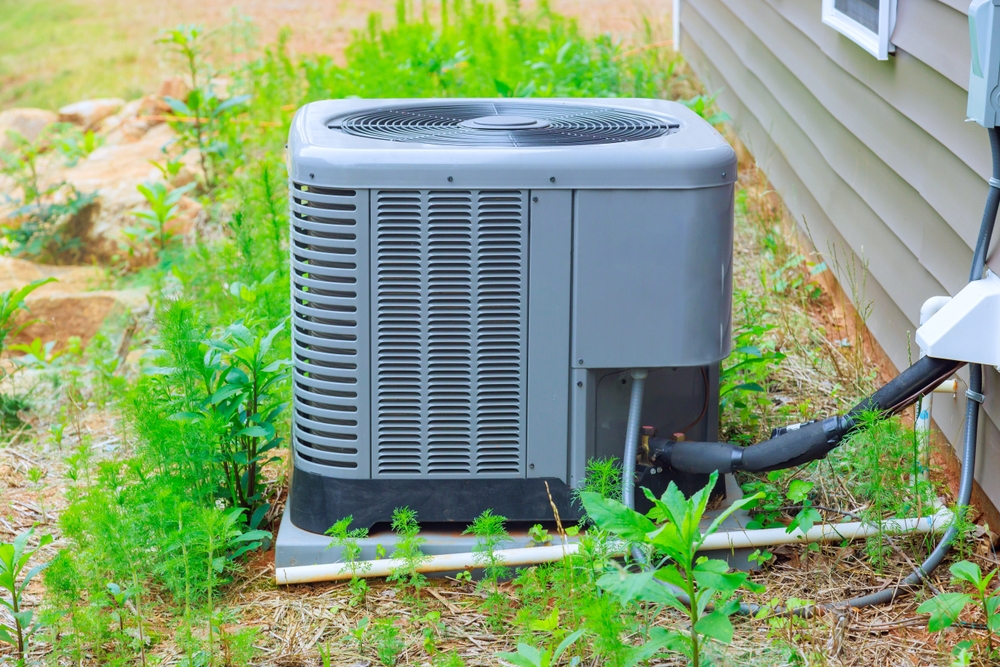
Your AC relies on two coils to keep cool air moving through the house. One pulls heat from indoor air, while the other releases it outside. Over time, dirt, grass clippings, leaves, and other debris can build up on these surfaces, especially around the outdoor unit. When that happens, the system works harder than it should, often leading to longer run times and higher energy bills.
- Indoor coils absorb heat from your home.
- Outdoor coils release heat outside.
- Dirt buildup reduces efficiency.
- Restricted airflow increases system strain.
- Professional cleaning may be needed for heavy buildup.
5. Worn-Out Parts and Electrical Issues
Nothing lasts forever. Parts wear down. Capacitors fade, fan motors quit, contacts get sticky after years of brutal Texas heat. A dying capacitor? Listen for a humming outdoor unit that won’t kick on, or a fan that needs a finger-flick to start spinning. Wires loosen up over time, and one corroded link can take the whole thing offline. This is where it gets dicey. High voltage, pressurized lines, the works. That’s exactly why licensed technicians for AC system repairs carry the right meters, the training, and the parts to handle it safely. They test things one by one. No random swaps, no wasted cash. Catch a weak capacitor early, and you might save the compressor, which is the one part you really, really don’t want to buy.
So there it is. Cooling failures almost never come out of thin air. It’s a clogged filter, a sneaky leak, a confused thermostat, dirty coils, or a tired part calling it quits. The real skill is reading the signs early. Weak airflow. Warm vents. Odd clicks. A bill that jumped overnight. Stay on top of the small stuff month to month, and call a pro when things get technical. That’s the whole trick. Do it, and your house stays cool right through the worst of summer, no sweat and no nasty surprise on the invoice.
“Don’t let a failing AC take over your day. If your system is blowing warm air, running nonstop, or making strange noises, Crossway Mechanical is ready to help. Contact us today at 832-905-8965 for dependable AC repair and get your home comfortable and cool again.”
FAQs
1: How often should I change my AC filter in Tomball, TX?
From May through September, homeowners in Tomball, TX, should check it monthly and swap it when the second light won’t pass through. All that dust and pollen in Tomball, TX, clogs filters faster than you’d think.
2: Why is my AC running but not cooling my house in Tomball, TX?
Usually it’s a dirty filter, a refrigerant leak, or a thermostat reading wrong in Tomball, TX, homes. If those all check out and the air’s still warm, a worn part or grimy coil is often to blame here in Tomball, TX.
3: When should I call a pro in Tomball, TX, instead of doing it myself?
Changing the filter, clearing leaves off the outdoor unit, and swapping thermostat batteries are fair game for any homeowner. Anything with refrigerant, wiring, or electrical parts, though, should go to a trained pro, since summers in Tomball, TX, leave zero room for guessing.